Ever wondered why a tiny plastic figure from a resin printer looks so smooth while a filament print shows fine layer lines? A big part of the answer is the chemistry, and this week a notable patent decision put one clever bit of resin chemistry back in the spotlight.
The news: the European Patent Office's appeal board has kept Carbon's patent on a method for making 3D objects from resins that harden in more than one way. The case ran for about three and a half years, and the patent was upheld in amended form. You do not need to follow the legal details to get the useful takeaway: resin printing keeps getting more sophisticated, and how a material hardens is a big deal.
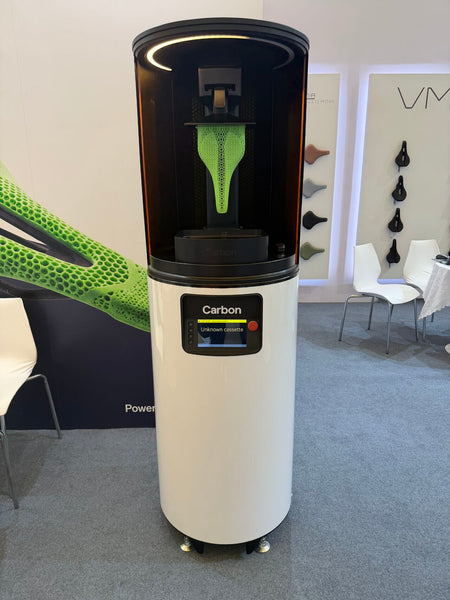
Here is the beginner version. Standard resin printers shine light on liquid resin, and each layer turns solid. That is fast and detailed, but the parts can be brittle. A dual-cure approach adds a second hardening step after the light stage, such as gentle heat, so the finished part gets tougher and more useful for real-world jobs like snap fits, housings, and tools.
How to choose between resin and filament: pick filament (FDM) when you want strong, larger, low-cost parts and an easy workflow. Pick resin when you need tiny details, smooth surfaces, or jewelry-style precision. If you try resin, wear nitrile gloves, work in a ventilated space, and wash and cure parts as the resin maker recommends.
Try it on your printer: whichever technology you use, ready-to-print models make the learning curve gentler. Browse tested, printable designs at flarelab.com and print something this weekend, then compare how different materials feel in your hands.
Frequently asked questions
What is a dual-cure resin?
It is a liquid resin that hardens in two stages: light shapes the part first, then a second process such as gentle heat finishes the chemistry so the final part is stronger and more durable.
Does this patent news change what I can buy?
Not directly. Patent rulings shape what companies can build and sell, but hobby filament and standard resin printers keep working exactly as before.
Is resin printing better than filament printing?
Neither is better in every case. Resin gives very fine detail and smooth surfaces, while filament printers are cheaper to run, easier to clean, and great for larger functional parts.
What should a beginner try first?
Start with filament (FDM) for sturdy, easy prints, then explore resin once you want miniatures or highly detailed pieces and have gloves and ventilation sorted.
Inspired by reporting from 3D Printing Industry. Rewritten by the Flarelab team for beginners.