What if the thing you need was made a few miles away instead of a few oceans away? That idea, called reshoring, is back in the news, and 3D printing sits right in the middle of it.
Reshoring simply means moving manufacturing back closer to the people who buy the products. Recent industry reporting says US reshoring announcements remain strong, private equity firms are buying up production capacity, and online platforms that connect customers with factories are growing. For a beginner, the takeaway is easy: more companies want to make things nearby, and they need flexible ways to do it.
That is where additive manufacturing, the industry name for 3D printing, comes in. A 3D printer builds a part layer by layer from a digital file, so there is no need to carve a custom mold first. Change the file, and the next part changes too. That makes it handy for short runs, spare parts, and fast design tweaks. Analysts also add a twist: customers may like having the option to produce at home more than they like locking into domestic production for everything. In other words, flexibility is the real prize.
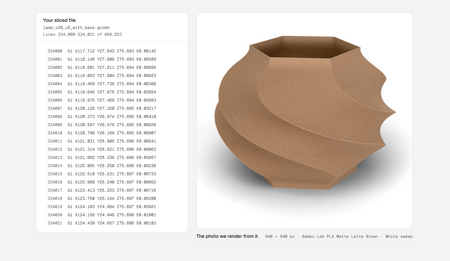
You can borrow the same thinking at your own desk. Pick one thing you usually buy or wait for, like a drawer organizer, a cable clip, or a replacement knob. Find or design a model, slice it with your favorite slicer, and print it in PLA, which is forgiving and easy to run. Test the fit, adjust the size by a fraction of a millimeter if needed, and print again. In an afternoon you have run your own tiny local factory, and you learned what makes a part printable.
There is a bigger lesson hiding here too. When a part can be made close to where it is used, problems get easier to fix. If a bracket cracks, you can adjust the thickness, reprint it, and be back to work before a shipment would even leave a warehouse. Factories enjoy the same benefit at a much larger scale, which is why so many of them are watching additive manufacturing closely. You do not need a factory to learn from them, though. A single desktop printer, a roll of filament, and a little curiosity are enough to start thinking like a local manufacturer.
Try it on your printer: browse ready-to-print models and maker tips at flarelab.com, pick a small useful part, and make it today.
Frequently asked questions
What does reshoring mean?
Reshoring means bringing manufacturing back to the country where products are sold, instead of making them overseas. It can shorten shipping times and make supply chains easier to manage.
Why does reshoring matter for 3D printing?
3D printers make parts straight from a digital file, with no custom tooling. That makes them a natural fit for small, local production runs and quick design changes.
Is making things locally always cheaper?
Not necessarily. Industry analysts point out that customers may value being able to produce domestically more than they value committing to it full time, so cost and flexibility both matter.
Can I practice local manufacturing at home?
Yes. A desktop FDM printer lets you make replacement parts, brackets, and prototypes the same day, with no waiting on shipping. Start with PLA and a simple design.
Inspired by reporting from 3D Printing Industry. Rewritten by Flarelab for beginners.